Open Daily 9:30 am – 6:00 pm
- Fort Rd, Toli Chowki, Hyderabad, Telangana, 500008, India
- Visit


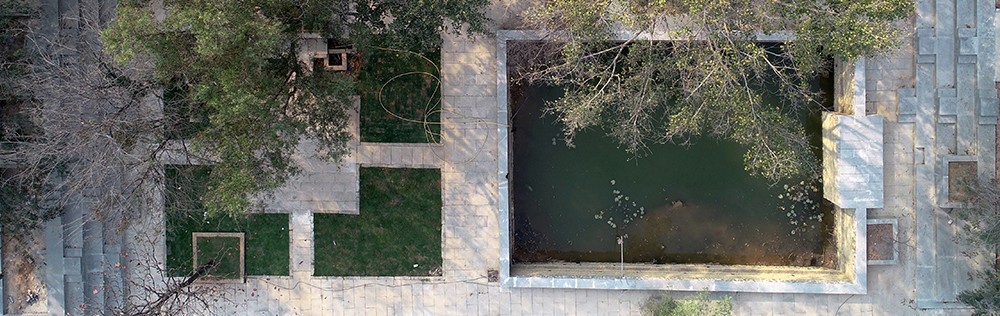
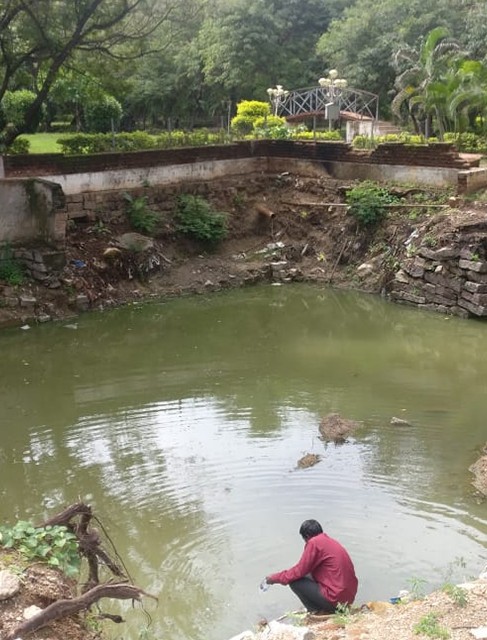
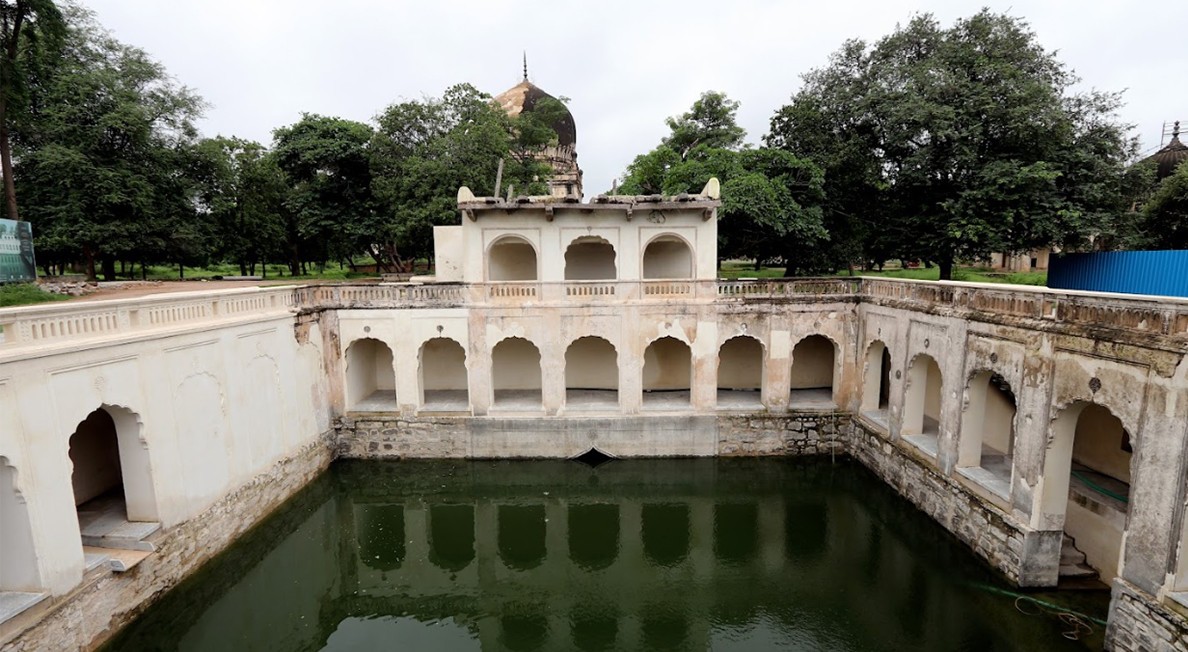
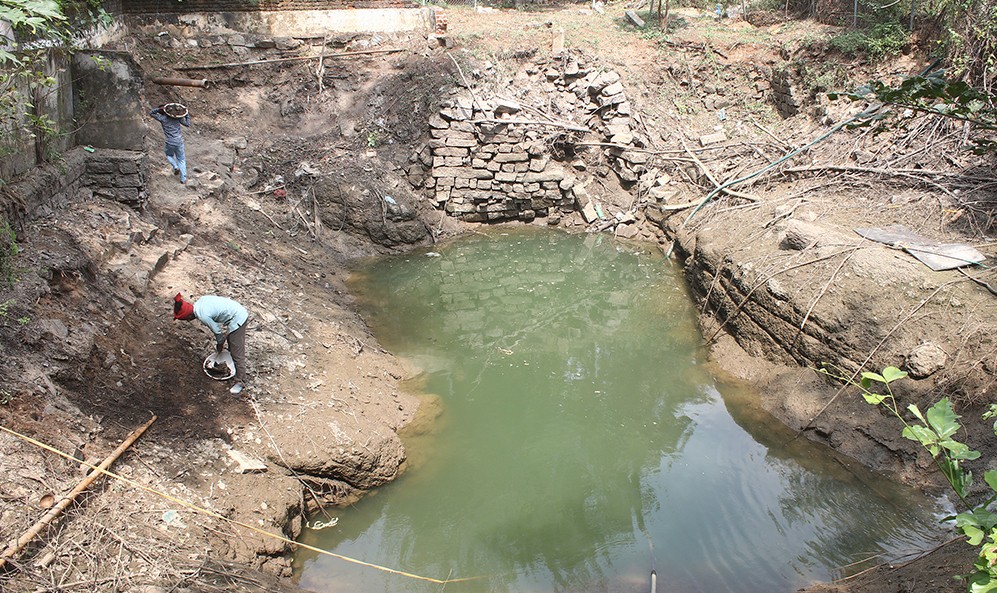
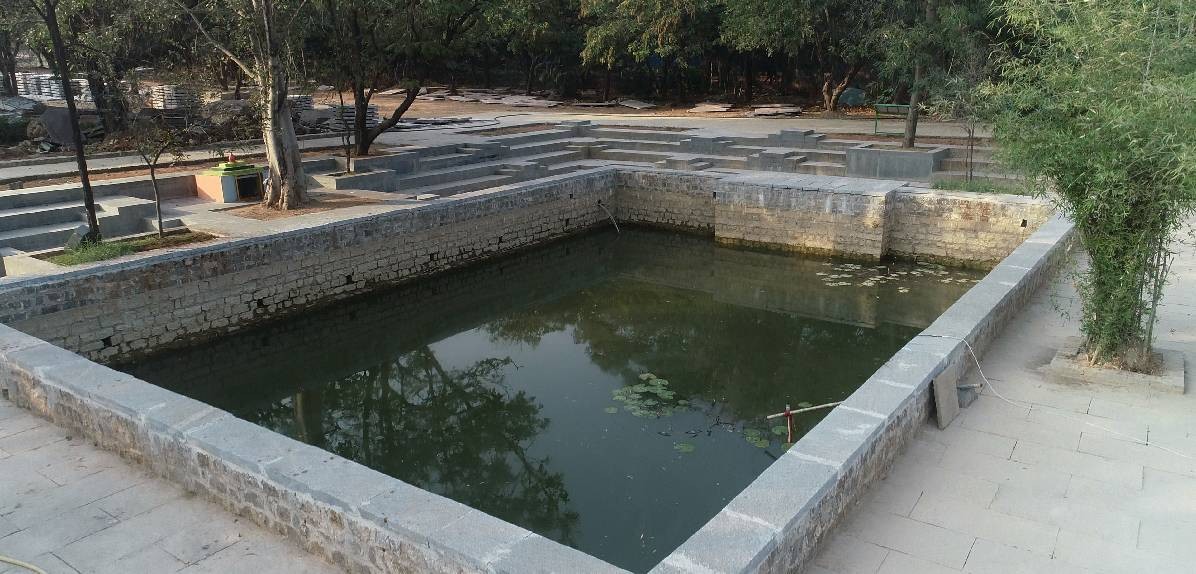
The Bagh Baoli, standing on the eastern edge of the Qutb Shahi Heritage Park, on a route that leads to the adjoining Golconda fortifications, it would have been a stopping point for travellers. It is a simple rectangular reservoir built on a natural rock. The baoli had lain in a state of neglect for several years, and gradually transformed into a dumping yard with vegetation growth and collapsed masonry.
The retaining walls of the baoli were largely missing or collapsed with little evidence at the northeast and southeast corner. Portions of the retaining walls were also displaced. The ramp projection at the north wall was the only surviving feature of the baoli, although distorted due to earth displacement over time.
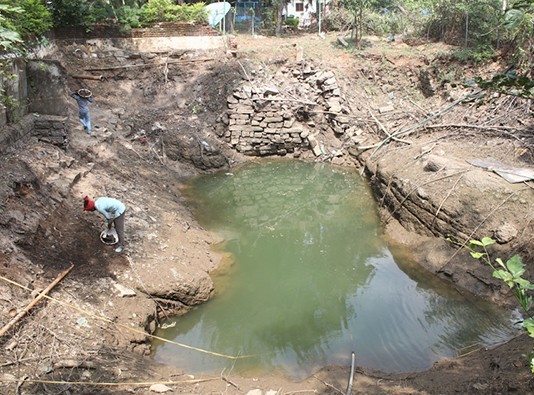
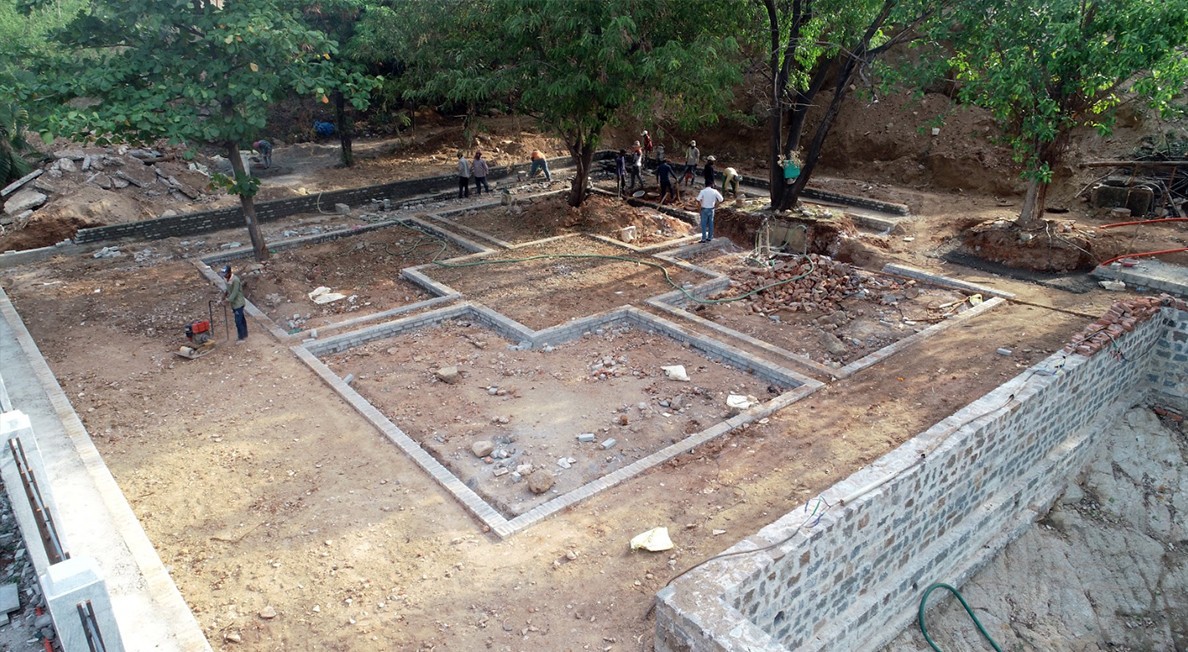
Restoring the Bagh Baoli was a meticulous process that involved careful excavation, archaeological research, and skilled craftsmanship. The dewatering and vegetation removal from the stepwell helped the conservators discern the historic rectangular profile of the baoli along with the masonry style. Desilting uncovered the stepwell's full depth of 12 meters and its original dimensions of 12.60 x 18.60 meters. Subsequently, the manual removal of 50,000 cubic feet of dumped earth also revealed the once-hidden northern platform.
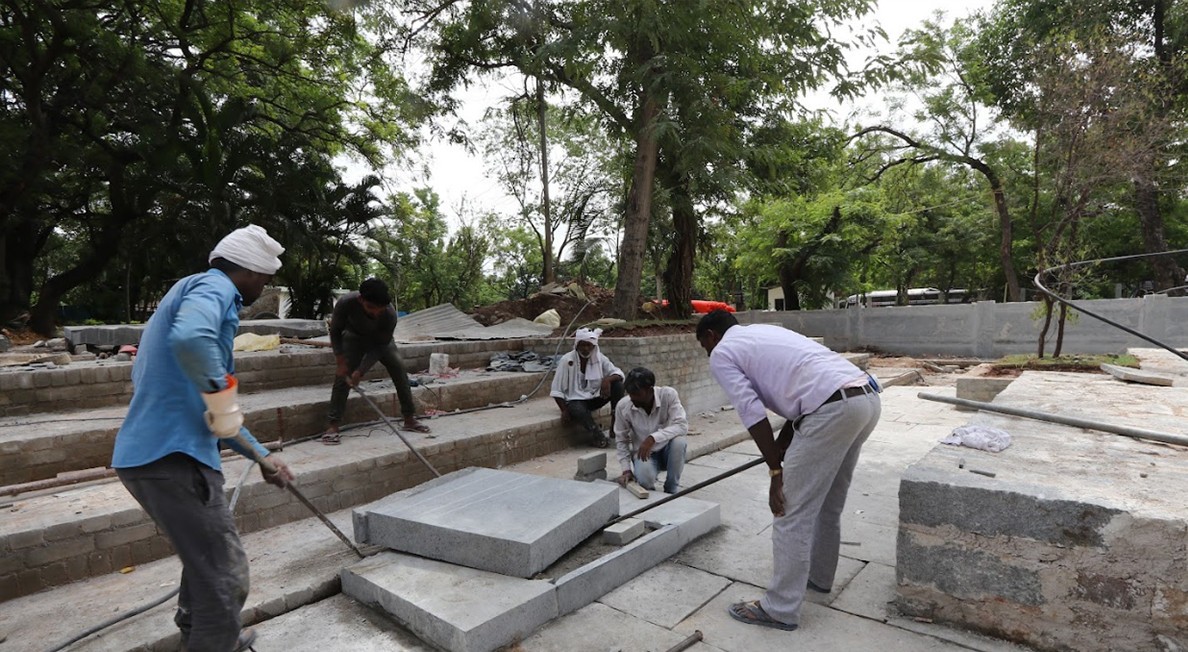
To restore the stepwell to its former glory, detailed architectural illustrations were created as a blueprint for reconstruction. A team of skilled craftsmen meticulously hand-cut over 2,500 cubic feet of stone, matching the original evidence. Existing stones from the well's bottom were also repurposed to repair the collapsed walls.
The restored retaining walls were carefully raised averagely to 2 meters to protect neighboring tree. The walls were finished with weepholes to allow for water drainage.
Dilapidated retaining Walls
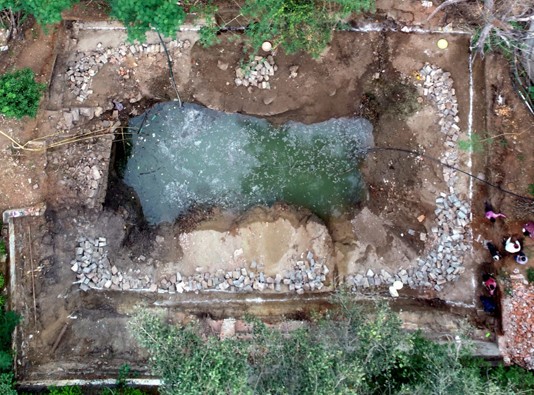
Determining original extents and profile of the baoli
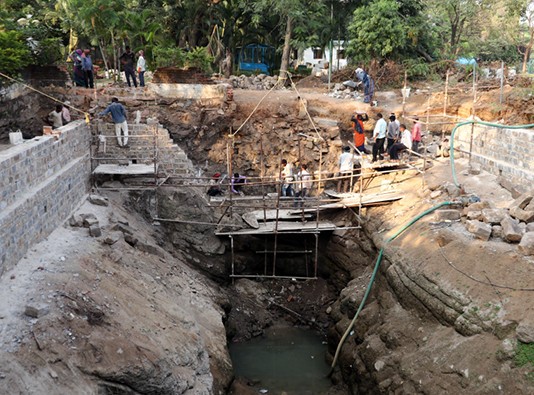
Reconstruction of northern projection.
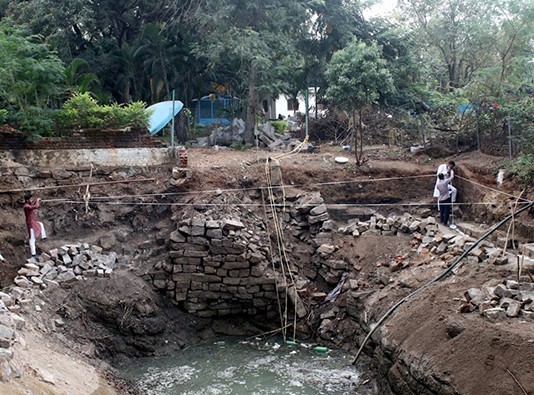
Exposing the original water channels
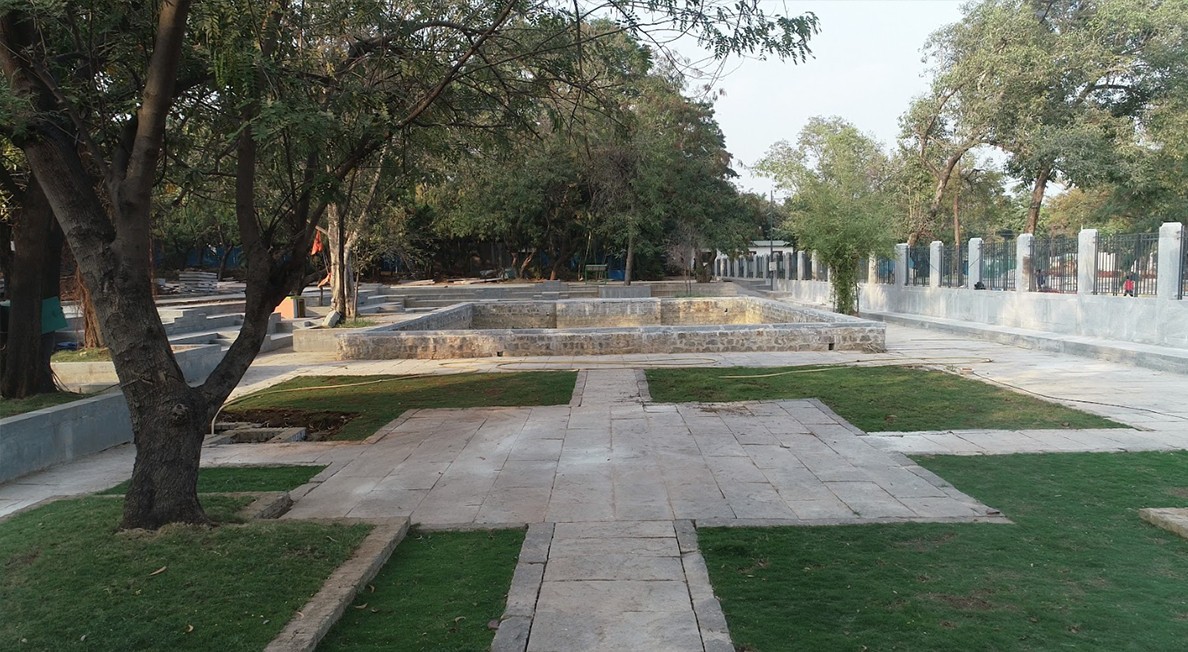
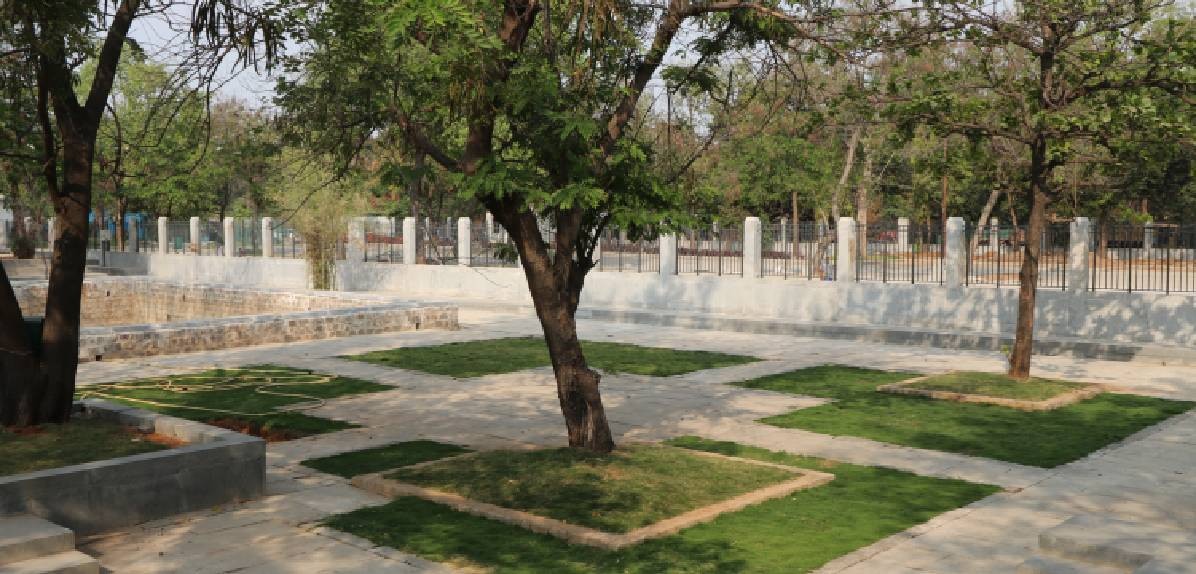
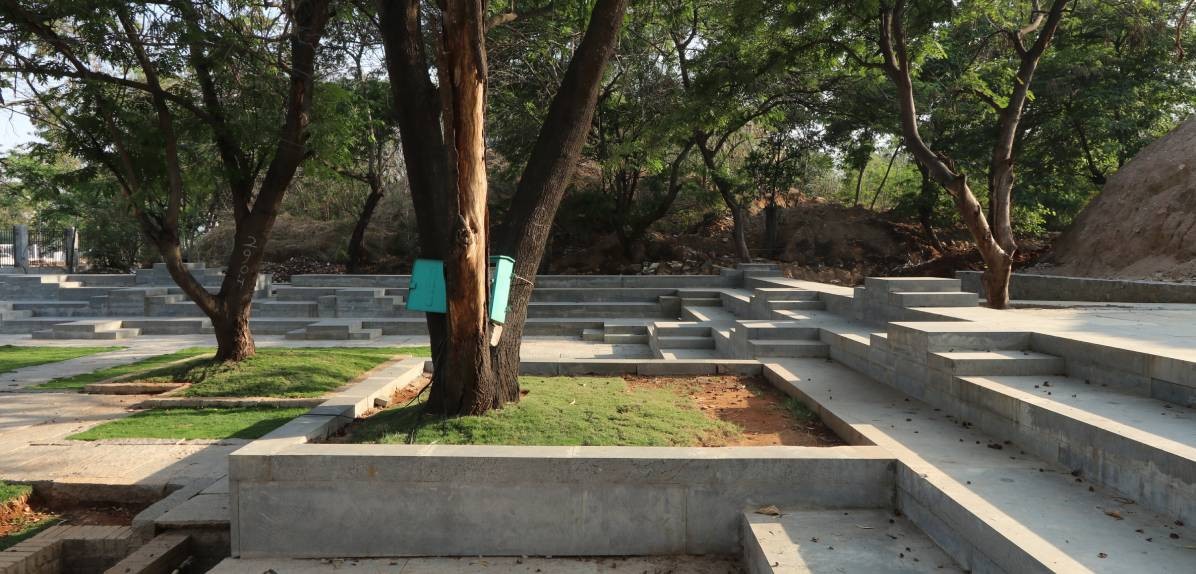
To complement the restored stepwell, a formal garden with a performance area has been created in its immediate setting. This garden, a contemporary chahar bagh, inspired by the archaeological area at the Heritage Park, features two intersecting axial pathways, four quadrants, and a small central plaza. Seating is on large granite stone blocks reminiscent of the grandeur of the Qutb Shahi era. The trees in this area were accommodated in the design of the seating through dedicated planters. The garden's design harmonizes with the stepwell's historic character while providing a peaceful retreat for visitors.
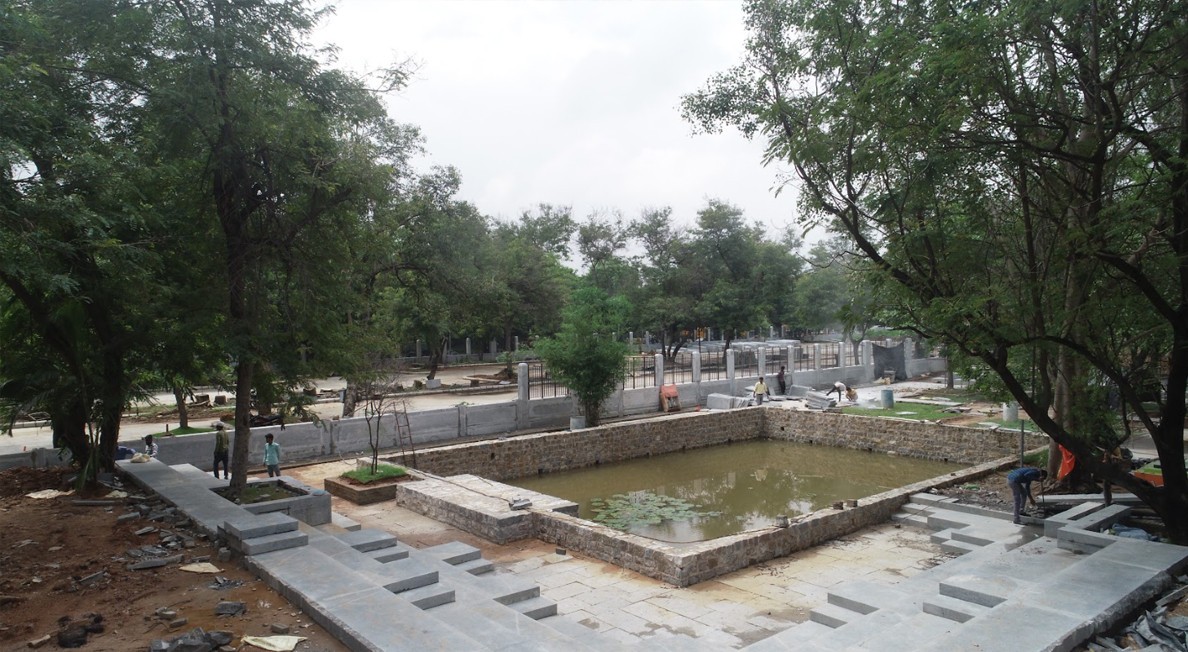
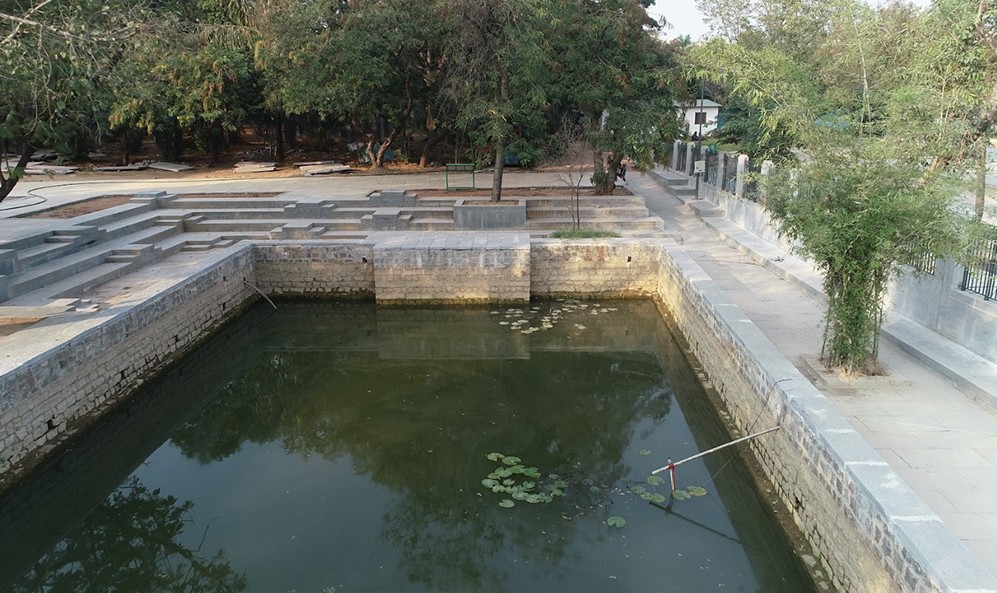

The restored Bagh Baoli now collects an impressive 2 million liters of rainwater annually, playing a key role in the larger effort towards water self-sufficiency at the Qutb Shahi Heritage Park. This restored water source supports the landscaping of necropolis, and aids in conservation activities at other monuments.
The enhanced garden space surrounding the baoli, inspired by traditional designs, has further increased its appeal as a serene retreat. The inclusion of seating areas with large stone blocks, integrated with the existing trees, provides visitors a space to relax and connect with the site’s history. Additionally, the newly created garden space is expected to host performances and gatherings, further enhancing the baoli’s role as both a historical monument and a vibrant cultural destination.
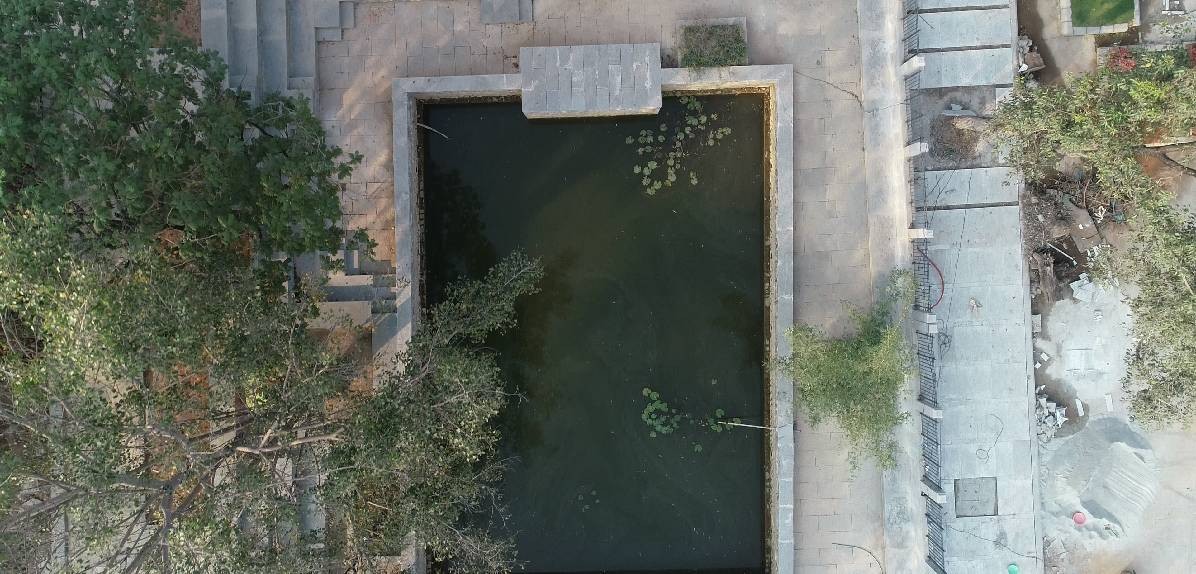
The western facade of the Badi Baoli had completely collapsed in 2013, before commencement of conservation works, , leading authorities to consider filling the stepwell with earth. However, a restoration effort was launched to preserve this historic landmark. Today, the Badi Baoli stands as a testament to successful conservation, collecting over 3.5 million liters of rainwater and serving as a model for preserving other stepwells.