Open Daily 9:30 am – 6:00 pm
- Fort Rd, Toli Chowki, Hyderabad, Telangana, 500008, India
- Visit


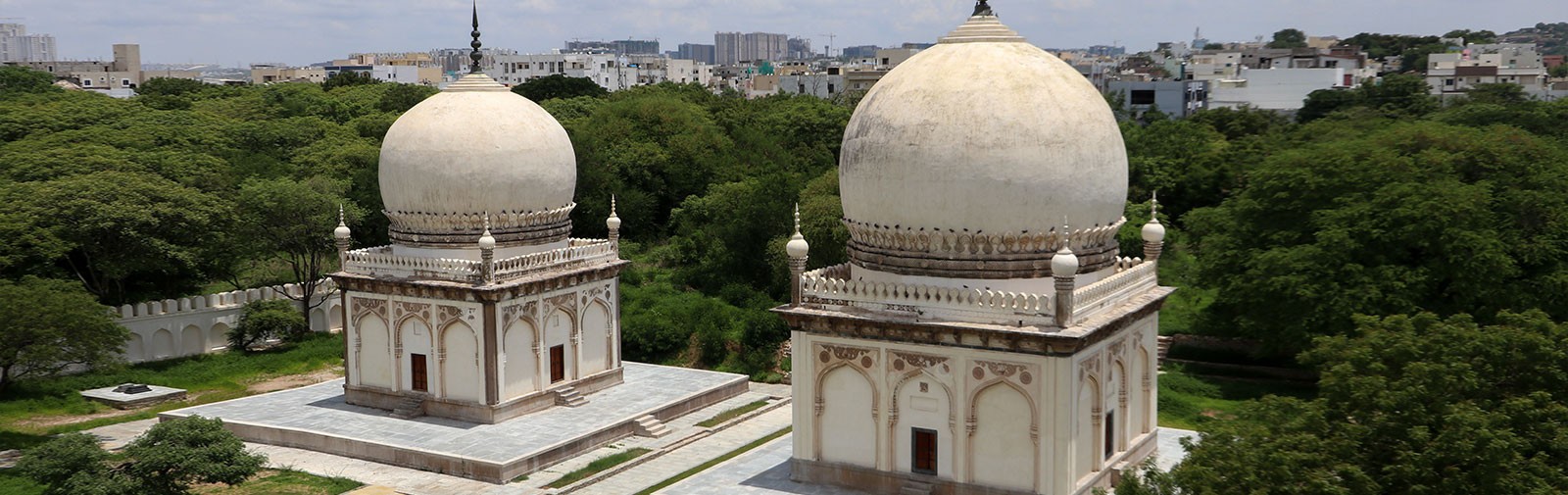
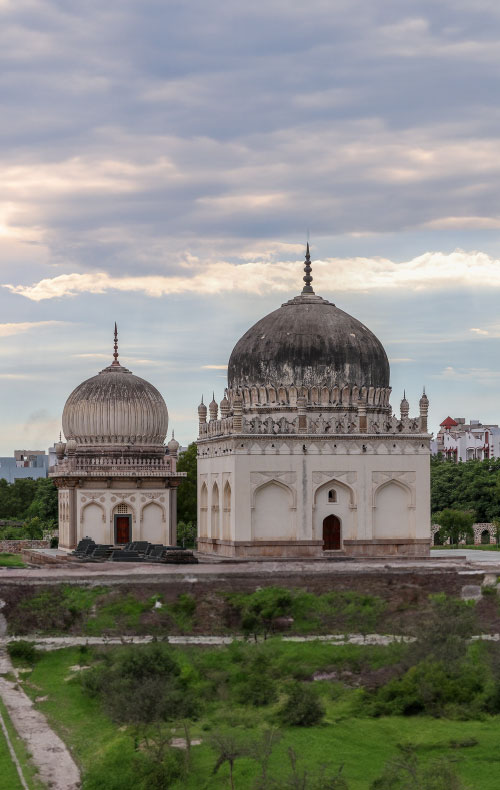
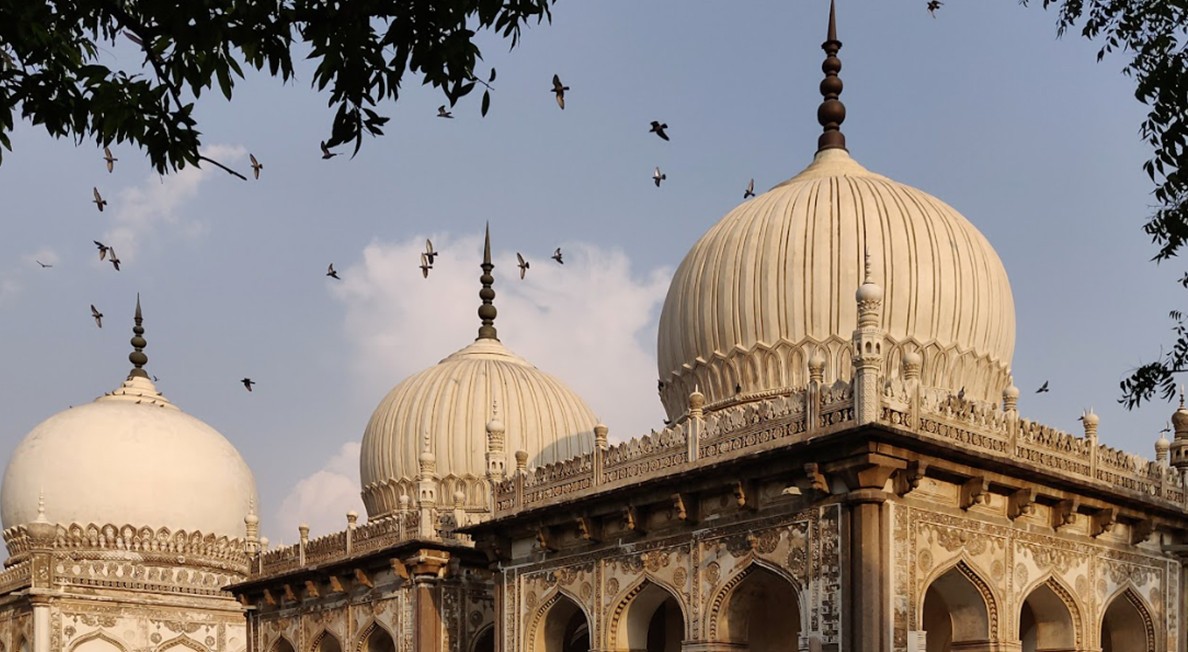
Beyond royalty, the Qutb Shahi Heritage Park also houses tombs of important courtiers, physicians, and courtesans like Taramati and Premamati. They were celebrated dancers and singers in the court of Sultan Abdullah Qutb Shah. The inscription on Premamati’s gravestone reads, “From all eternity Pemmati was a flower of Paradise,” a tribute believed to have been penned by Sultan Abdullah Qutb Shah himself.
As noted by historian H K Sherwani, the presence of their mausolea within the royal necropolis, highlights their esteemed status in the social and political circles of their time.
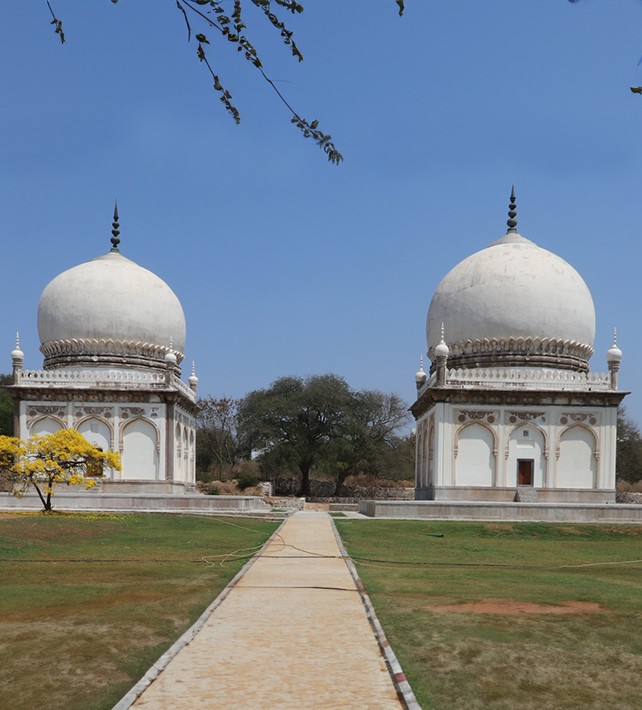
The twin mausolea of Taramati and Premamati, located near the tomb of Sultan Muhammad Qutb Shah (Sixth king of the Dynasty), are both remarkable examples of the exquisite craftsmanship of their era.
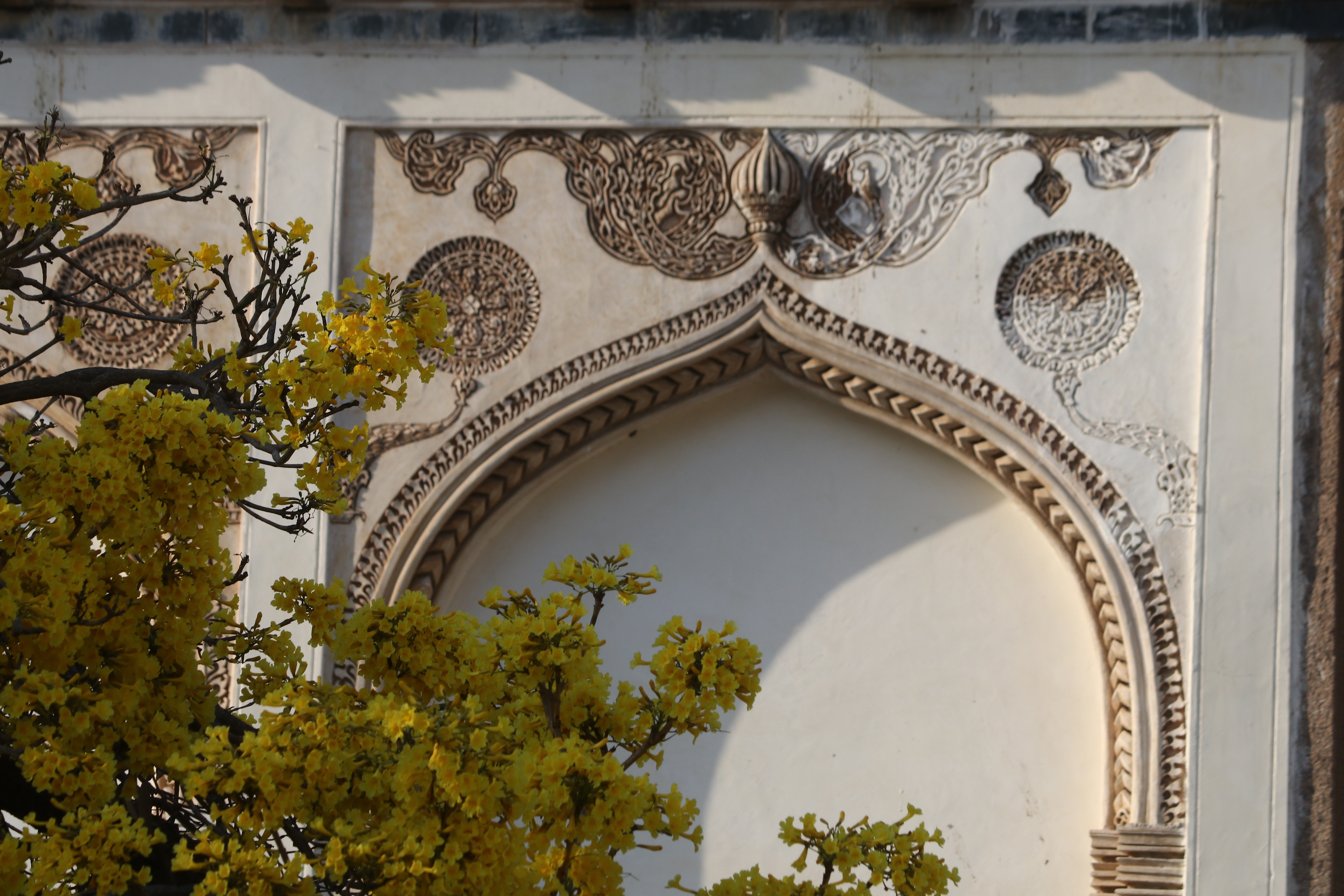
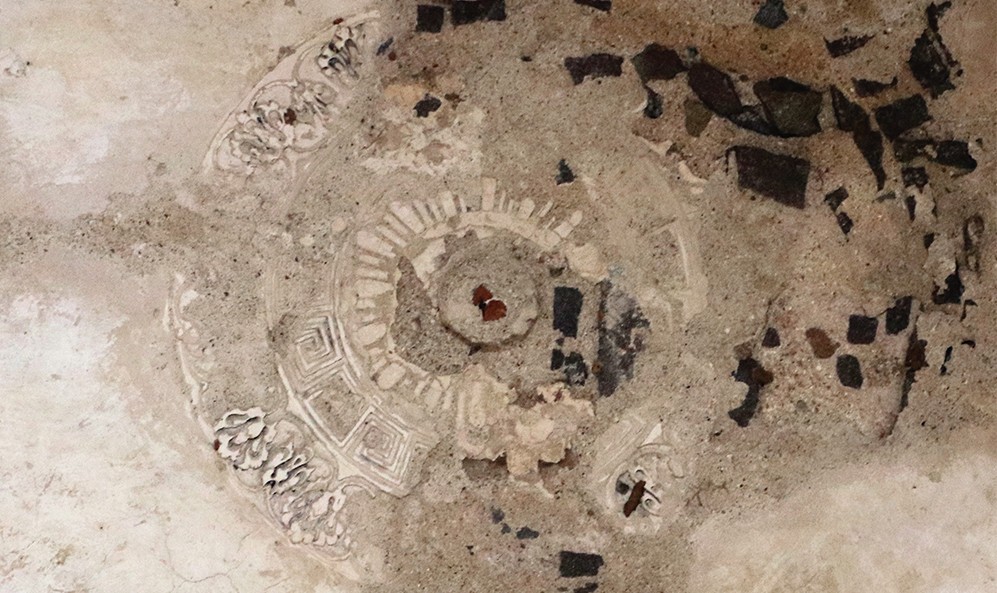
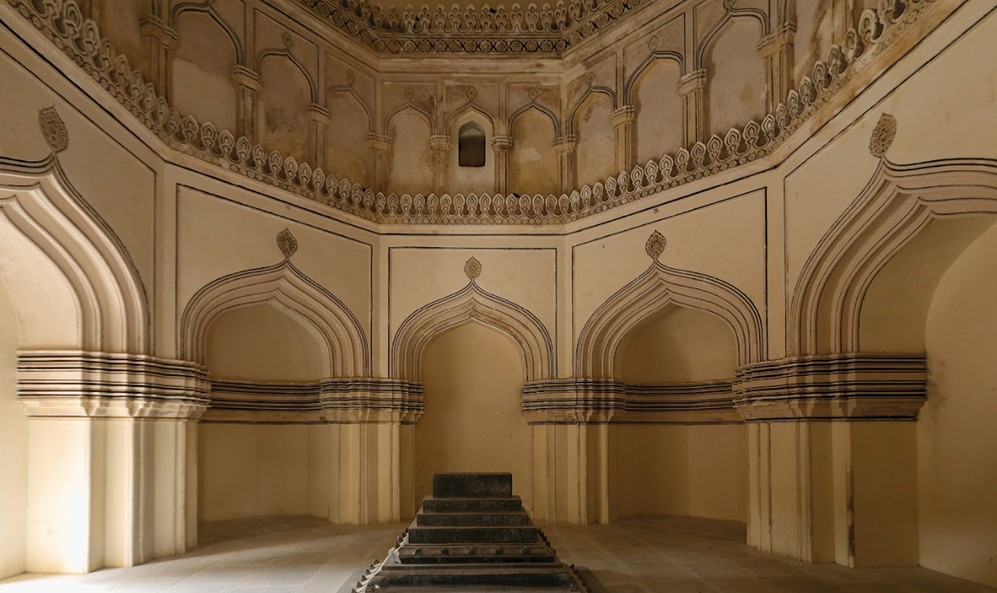
The stucco work on these tombs is notably more elaborate than that of other structures within the necropolis. On a closer look, one can notice small bird and animal figures within the stucco patterns. Both monuments feature lattice screens above their doors.
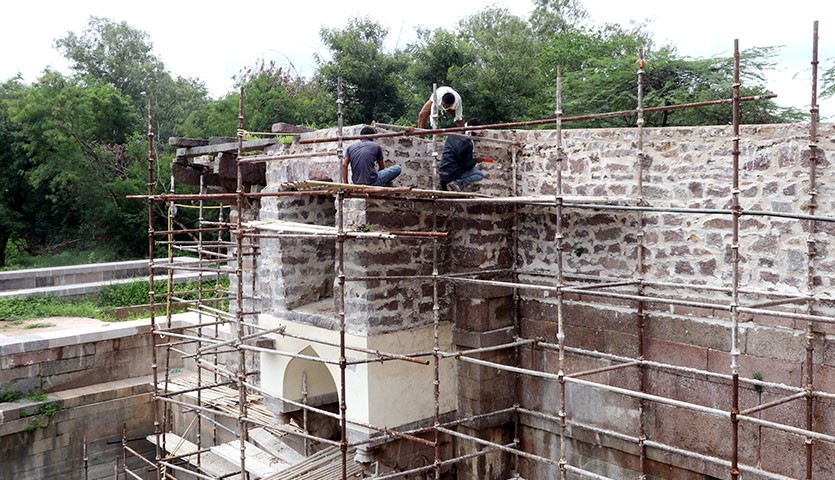
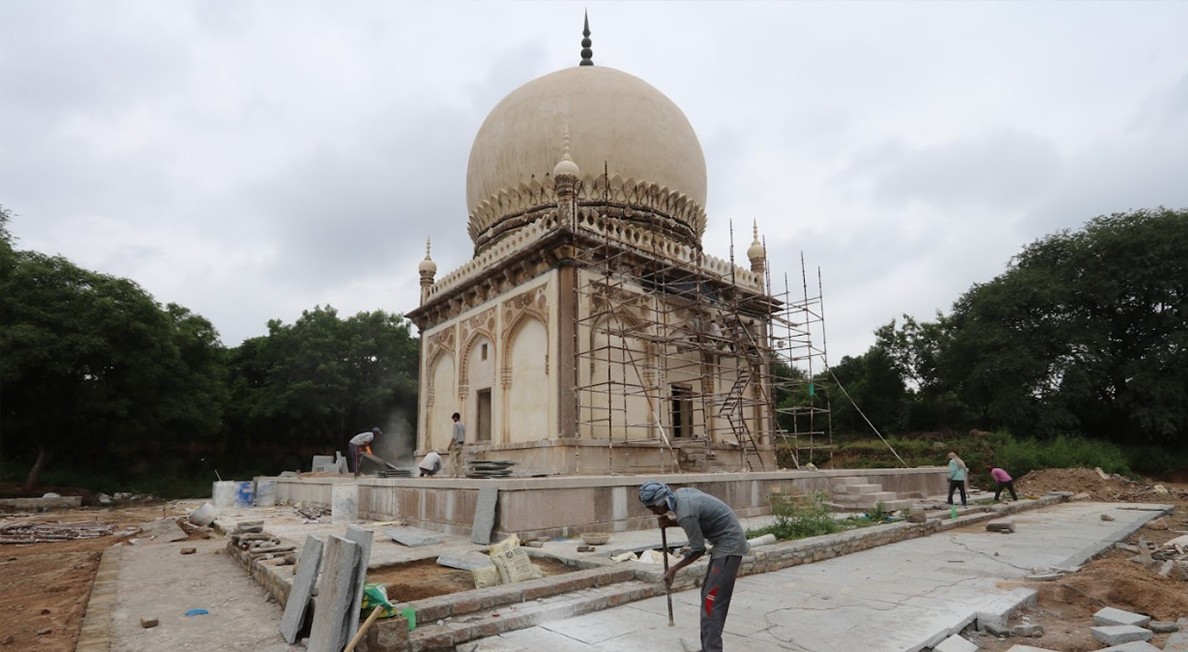
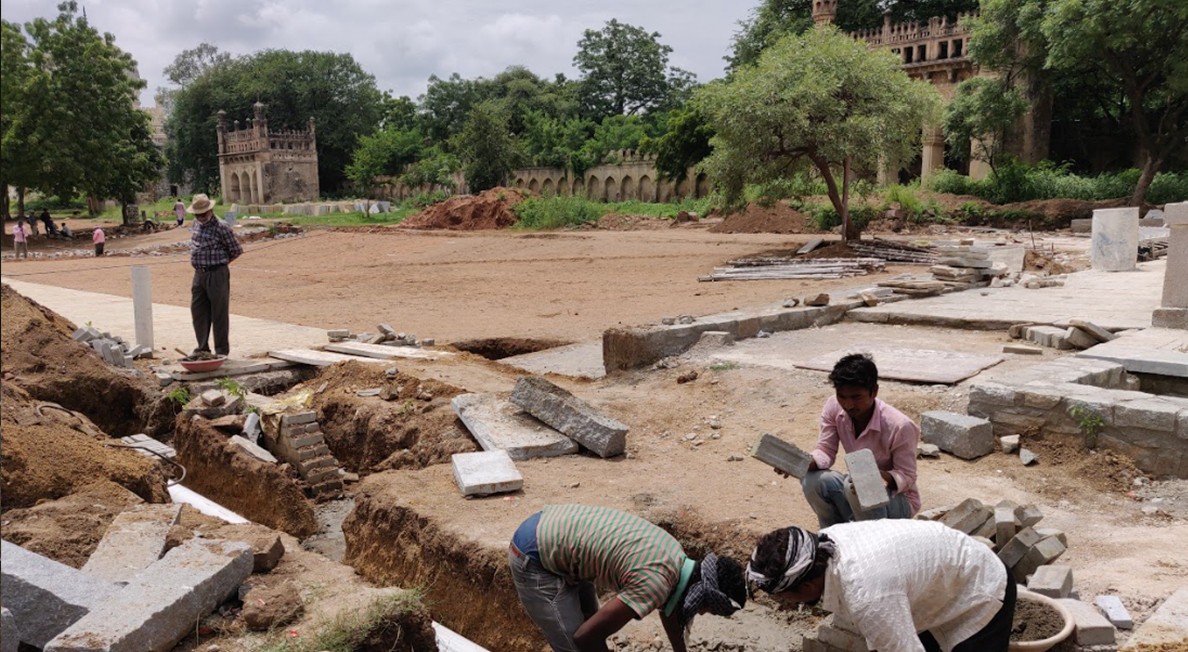
Conservation and landscape restoration of the mausolea involved 6,500 man-days of work by skilled craftspeople guided by an inter-disciplinary team of conservators, engineers, historians and landscape architects. These striking monuments were partially collapsed, overgrown with vegetation, and had missing ornamentation and stone blocks, as well as extensive use of inappropriate materials during repairs in the 20th century. A major conservation project was undertaken to restore their original grandeur.
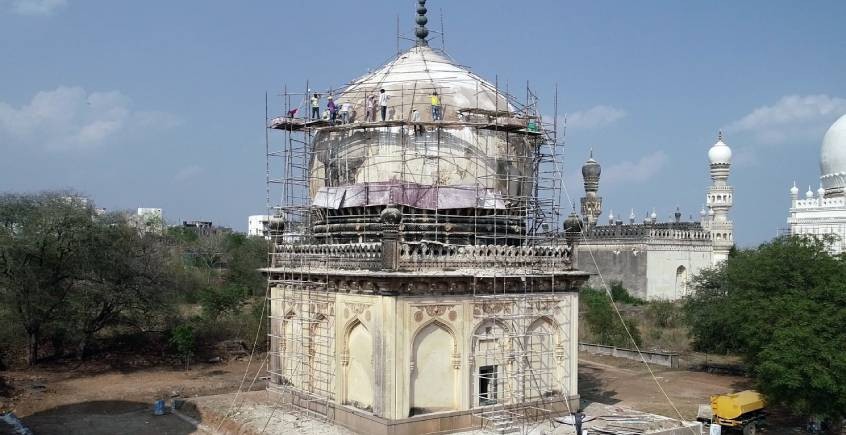
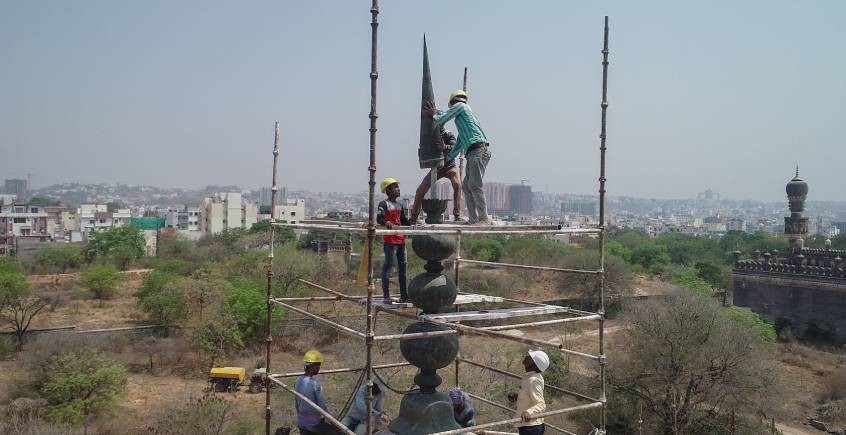
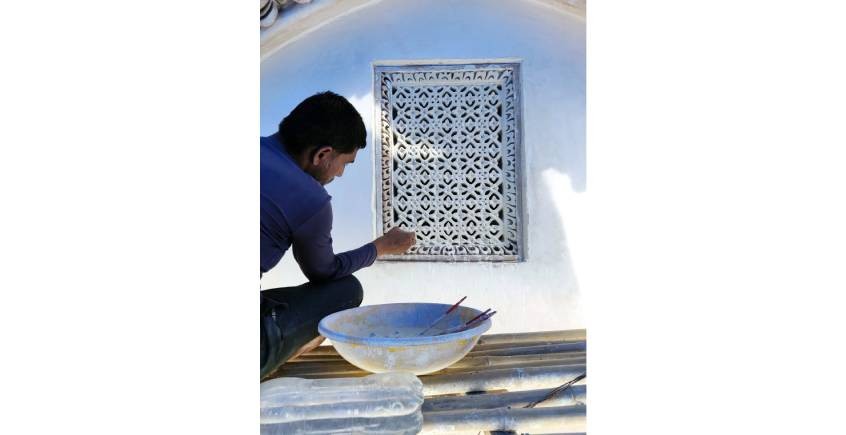
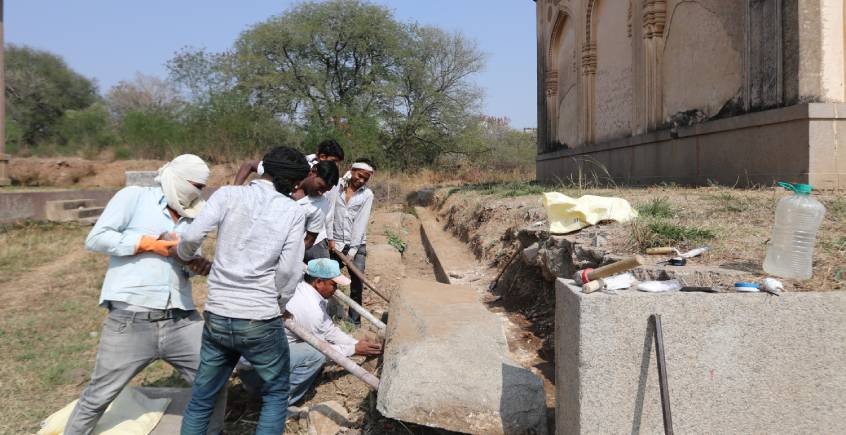
Using traditional tools and methods, expert artisans, including lime craftsmen, stone carvers, and coppersmiths, restored the structural integrity and original grandeur of these monuments, while ensuring authenticity in material and design
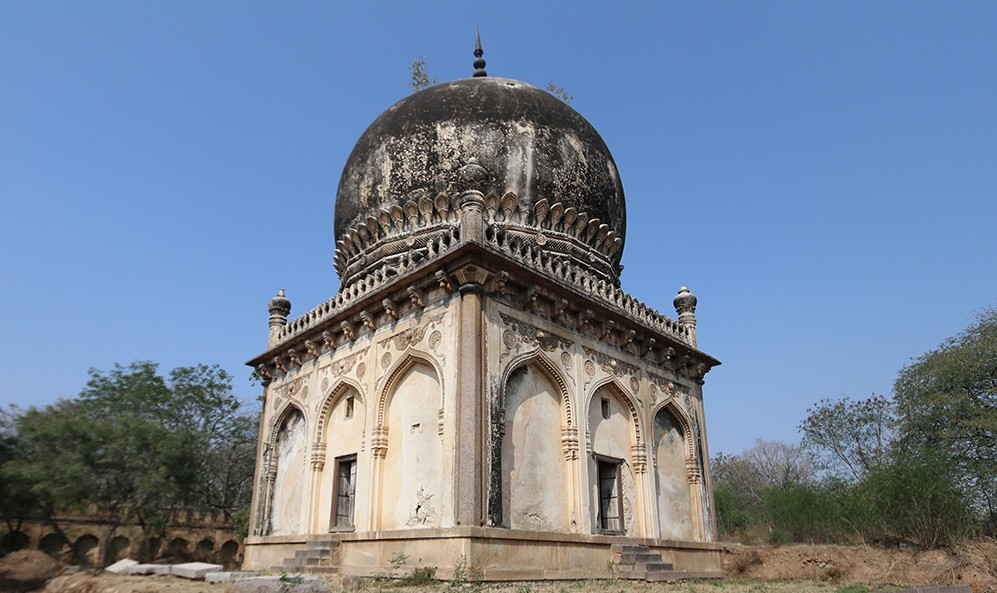
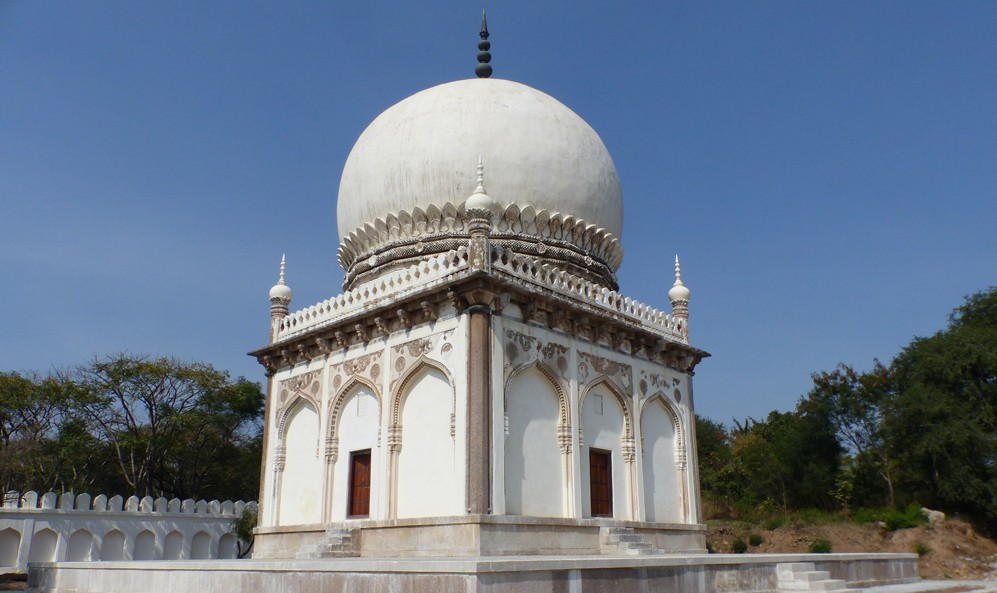
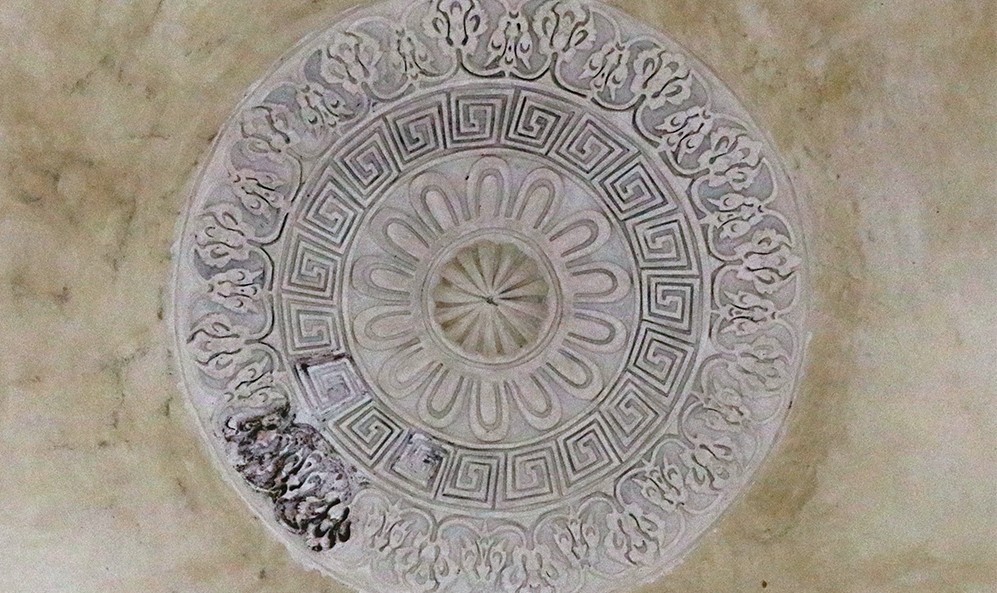
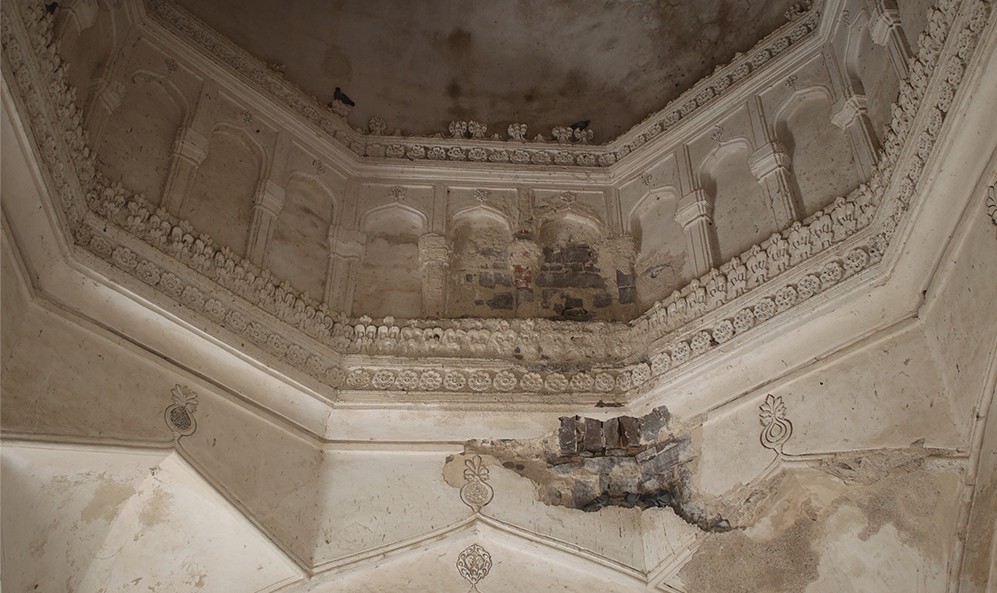
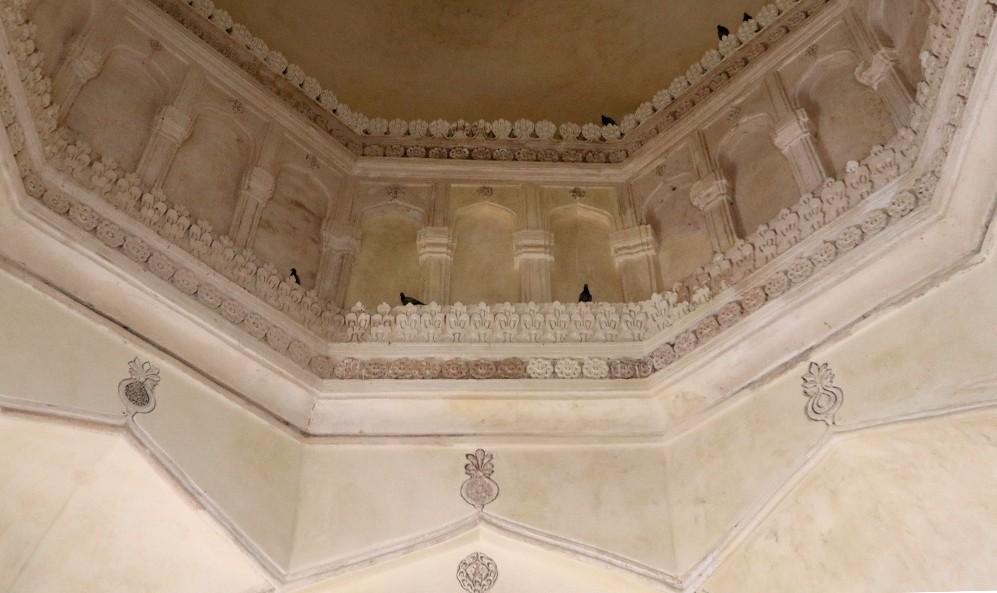
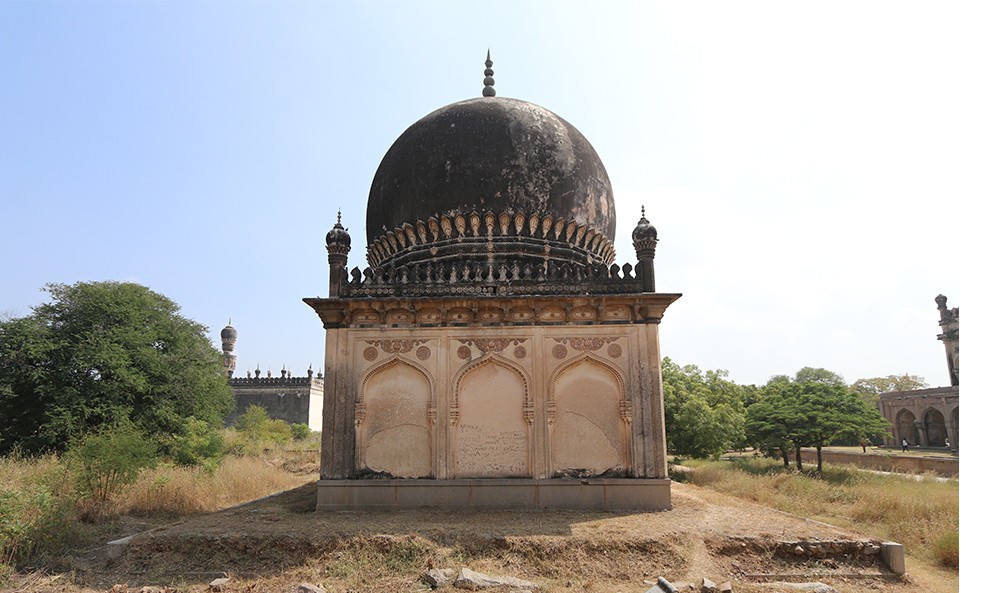
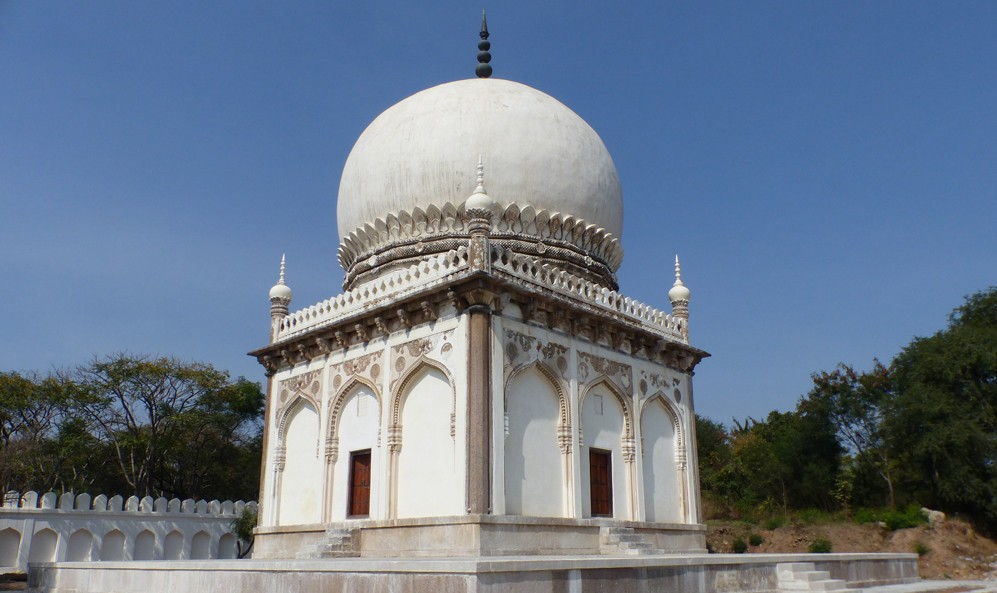
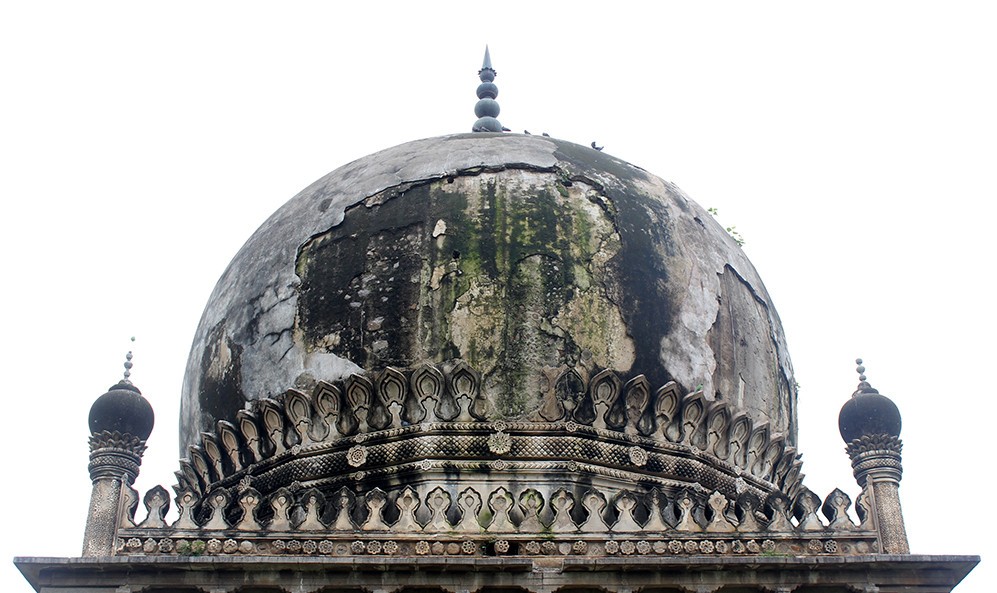
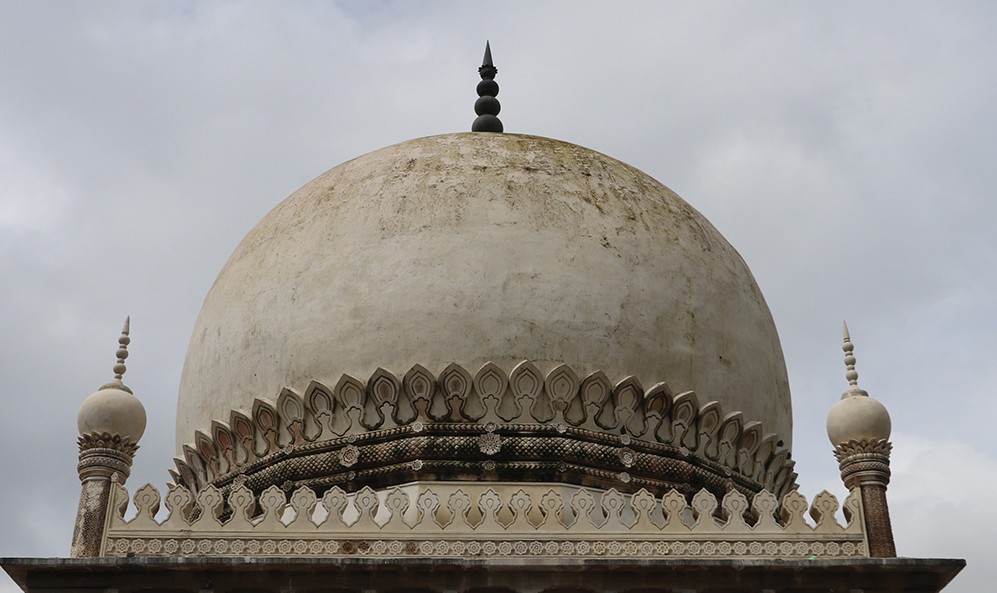
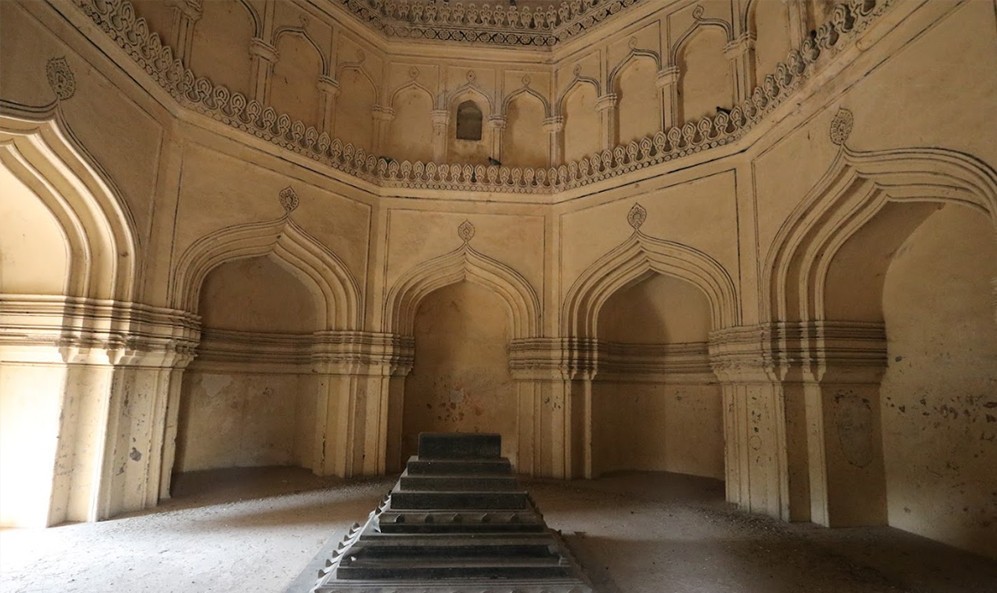
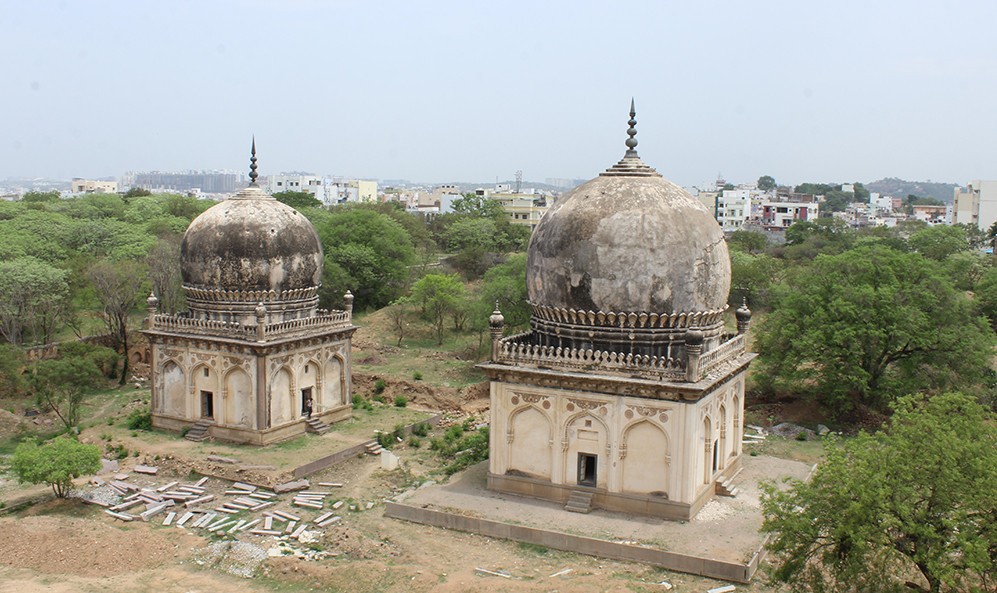
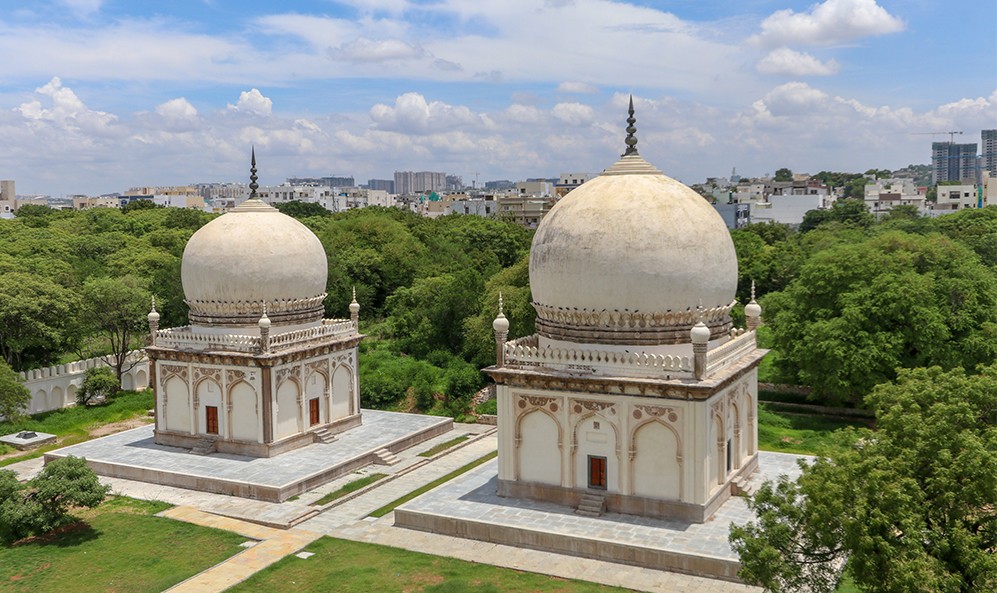

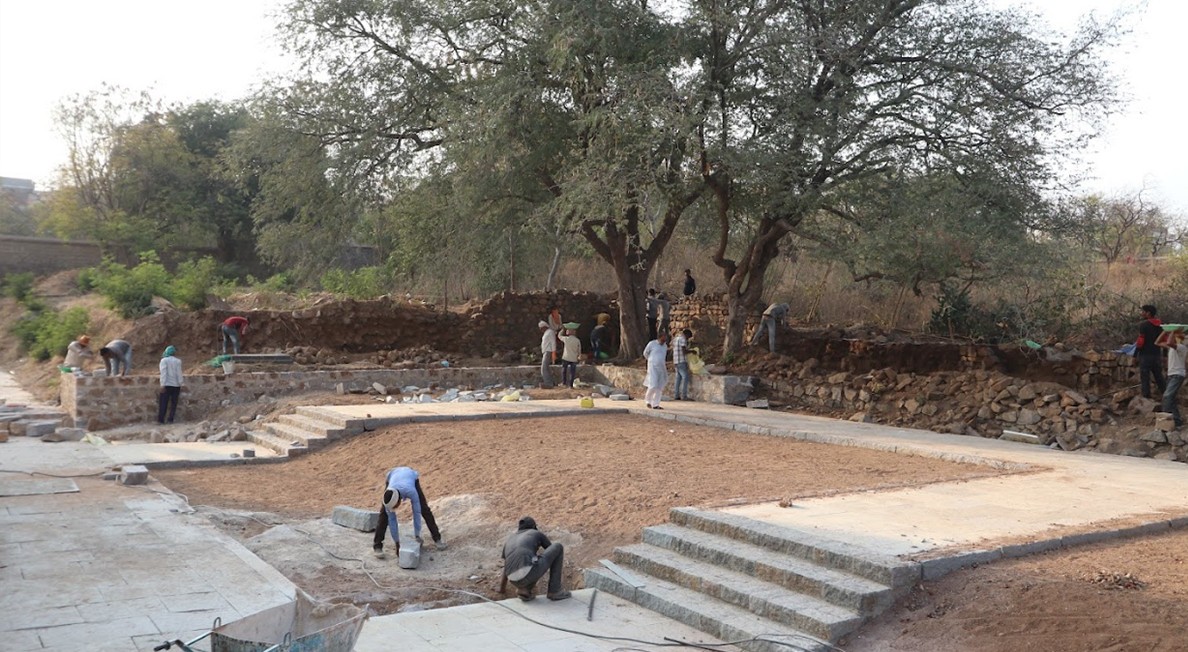
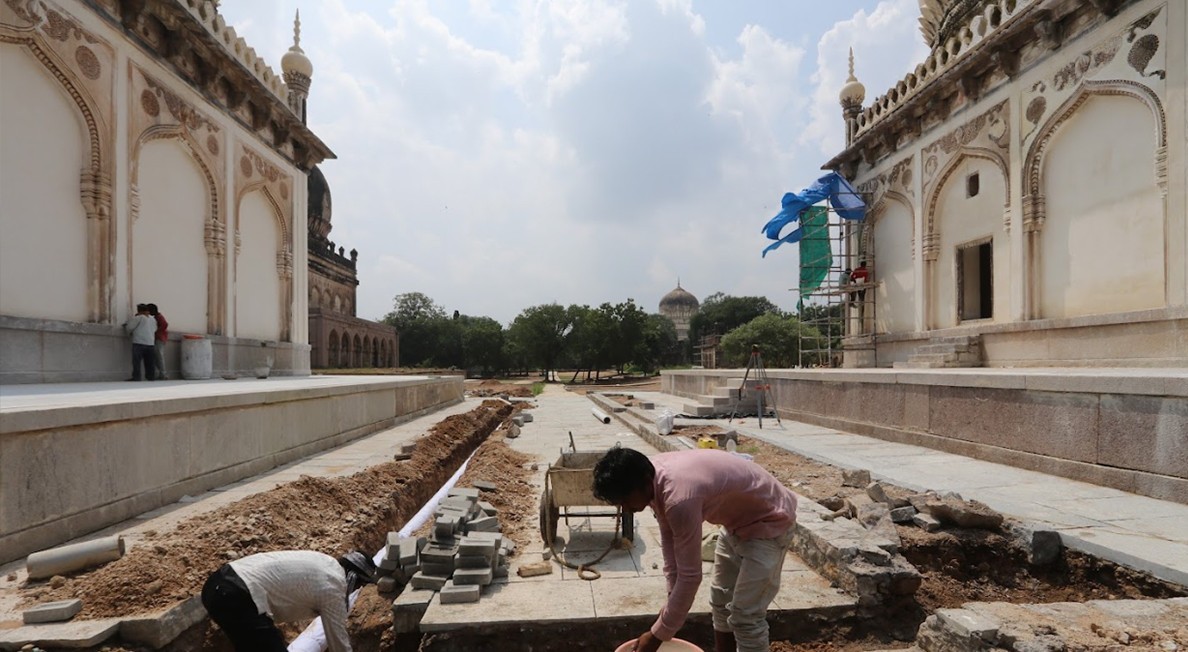
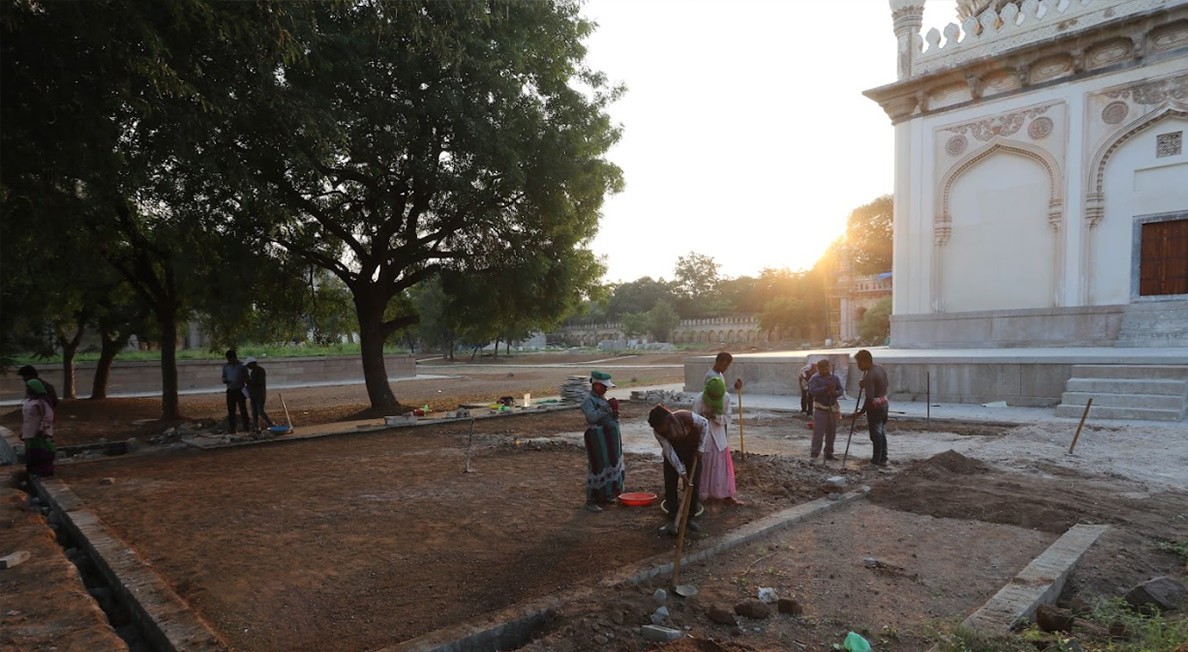
The completion of conservation works at the Taramati and Premamati mausolea was followed by a sensitive restoration of the immediate landscape setting of the monuments. Connecting pathways were built for an improved access to these significant monuments. The landscape restoration was aimed at enhancing the visitor experience.
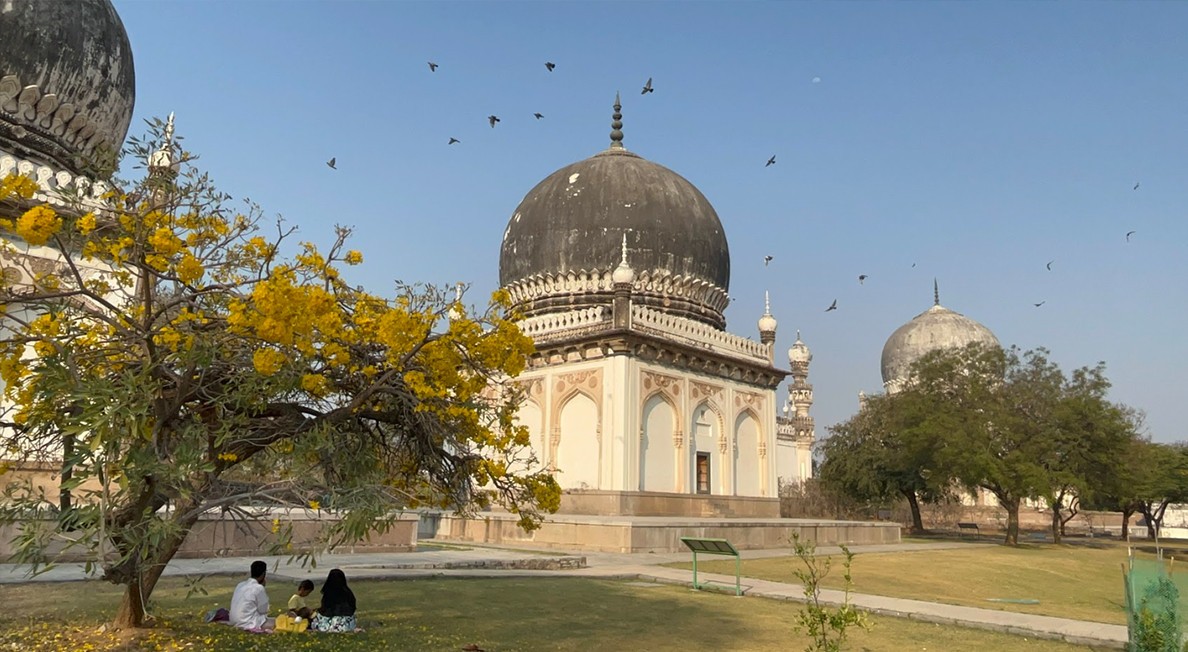
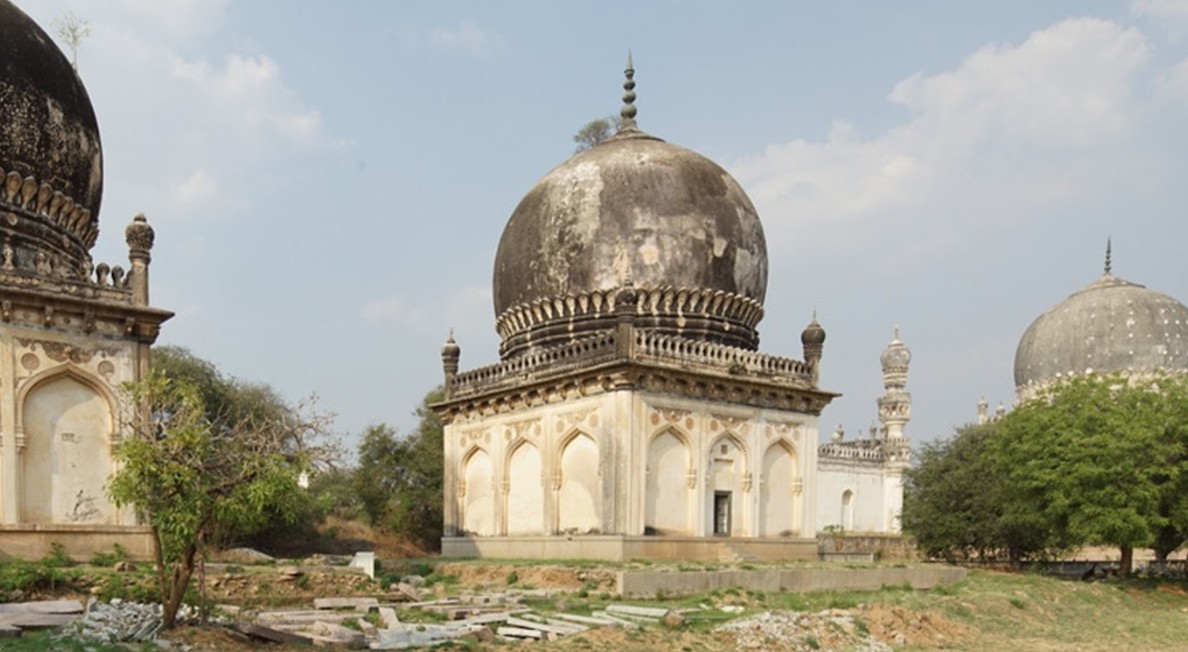
The Hakims' and Commander’s mausolea stand as exquisite examples of Qutb Shahi craftsmanship, showcasing intricate detailing and ornate stucco work. These tombs, built in the mid-17th century, are adorned with delicate geometric, floral, and animal motifs that reflect the era's architectural brilliance. Despite their smaller scale compared to the royal tombs, these mausolea impress with their elegant facades and fine craftsmanship.